Lagos Unfiltered
Lagos Unfiltered by EllatheForth and Mc Advice
Lagos Unfiltered by EllatheForth and Mc Advice
Info and episodes
Lagos Unfiltered by EllatheForth and Mc Advice

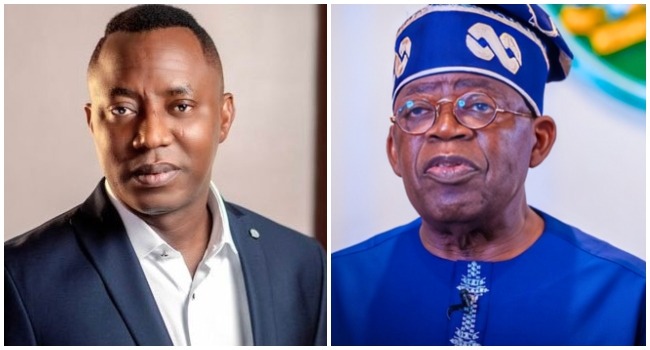
Why was Tinubu absent? Sowore has criticised the President for missing the National Peace Accord ceremony.
Presidential candidate of the African Action Congress, Omoyele Sowore, has criticised President Bola Tinubu over his absence from the signing of the political parties’ peace accord ahead of the 2027 general elections.
Speaking on Channels Television’s Sunrise Daily on Wednesday, Sowore questioned the President’s decision not to attend the ceremony personally. According to Sowore, Tinubu’s absence raised questions about the level of commitment the presidency attaches to the agreement and its goal of promoting peaceful elections.
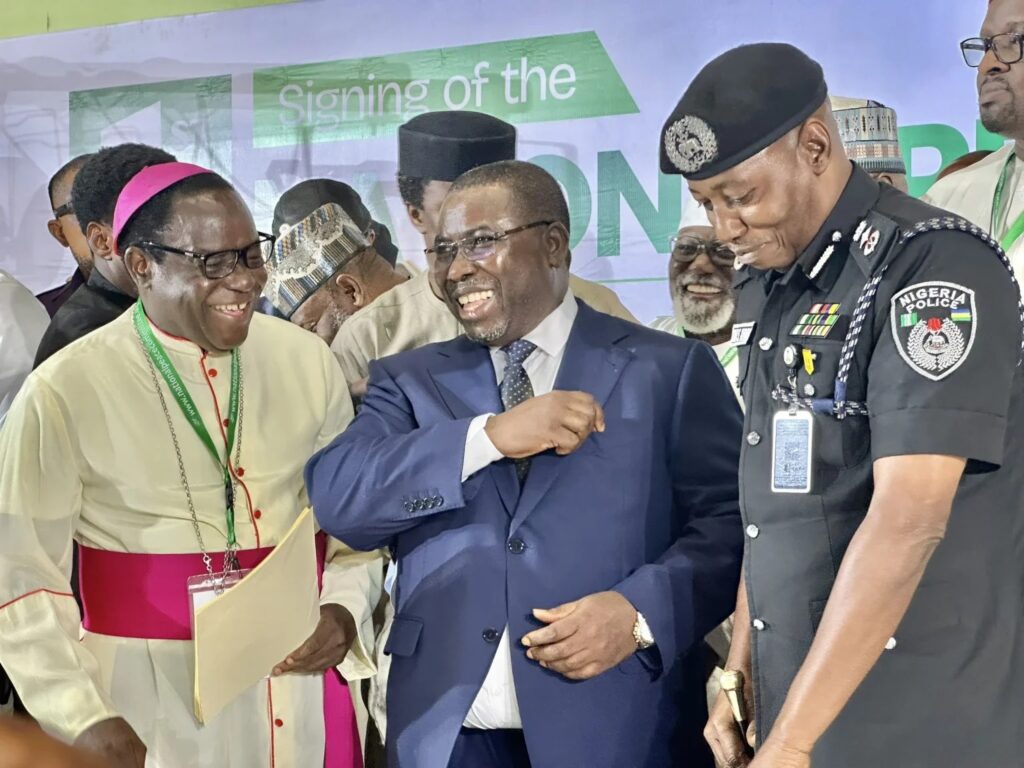
The National Peace Committee organised the ceremony in Abuja in partnership with The Kukah Centre. Political parties, presidential candidates and National Assembly candidates attended the event as stakeholders sought to encourage issue-based campaigns ahead of the elections.
Although President Tinubu did not attend the ceremony, he sent the Secretary to the Government of the Federation, George Akume, to represent him.
Akume signed the accord on behalf of the President. Meanwhile, other political figures, including Peter Obi, Donald Duke and Sowore, attended the ceremony and signed the agreement personally.
The accord commits political parties and candidates to peaceful campaigns. In addition, the signatories pledged to reject violence, hate speech, misinformation, personal attacks and other actions that could undermine the electoral process.
However, Sowore argued that the President should have attended the event himself because he serves as Nigeria’s Commander-in-Chief.
According to Sowore, Tinubu’s personal presence would have sent a stronger message to political actors and Nigerians about the government’s commitment to preventing violence during the election period.
The development comes as political parties prepare to intensify their activities ahead of the 2027 elections. Therefore, the peace accord has placed renewed attention on how candidates and their supporters conduct themselves as political campaigns gather momentum.
Furthermore, the agreement seeks to encourage politicians to focus on policies, programmes and issues affecting Nigerians rather than personal attacks and inflammatory statements.
Nevertheless, signing the accord represents only the beginning. Political parties and candidates will ultimately face public scrutiny over whether they honour the commitments they made in Abuja.
At the same time, INEC and security agencies will have to maintain an environment where voters can participate freely and safely.
As the 2027 election approaches, Sowore’s criticism has added another political dimension to the peace agreement. However, the wider expectation remains that candidates and their supporters will turn their promises of peaceful conduct into responsible behaviour throughout the electoral process.